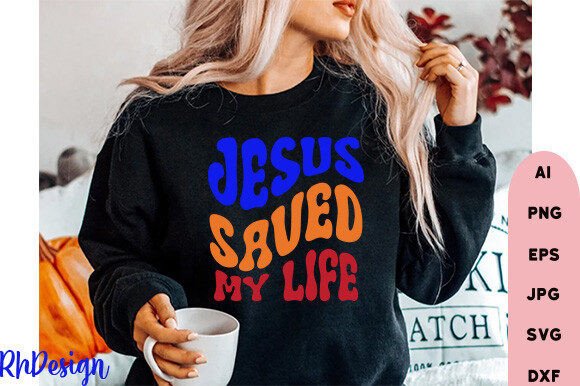
Retro Jesus Saved My Life SVG Review
As a designer who has spent countless hours digitizing and stitching out files for clients, I have learned that not all vector art translates well to thread. When I first encountered the Retro Jesus Saved My Life SVG Design, my initial reaction was one of cautious optimism. The retro aesthetic is having a massive moment in the handmade community, but combining vintage typography with spiritual messaging requires a delicate balance to avoid looking dated or cluttered. After reviewing the file structure and visualizing its application on various textiles, I am ready to share my practical assessment for fellow embroidery designers, Etsy sellers, and craft entrepreneurs.
First Impressions and Visual Personality
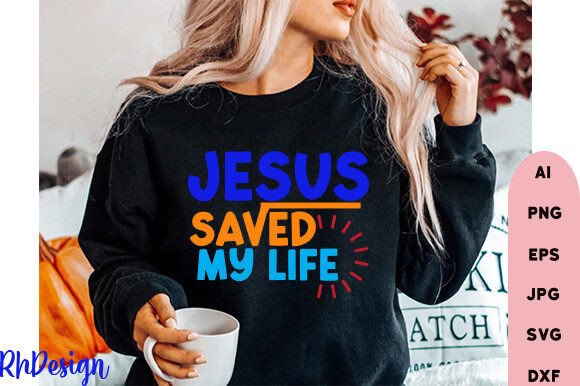
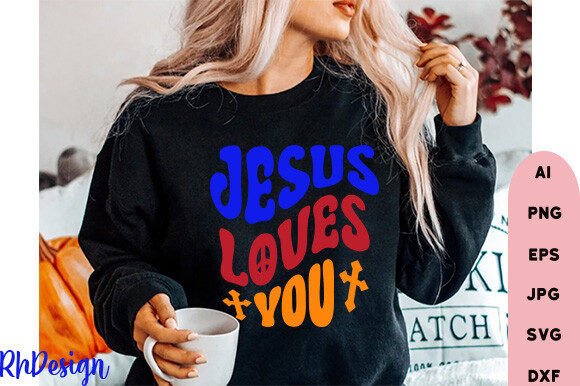
The mood of this design is immediately nostalgic yet bold. It captures that specific seventies-inspired vibe with curved, bubbly lettering and a distressed texture that suggests age without sacrificing legibility. For an embroidery project, this is both a blessing and a challenge. The "distressed" look in a digital graphic often relies on transparency or tiny pixel gaps, which do not exist in thread. As a reviewer, I look closely at how these elements will convert into satin stitch or fill stitch patterns. If the distressing is too fine, it may disappear entirely under the needle, leaving a solid block of color rather than the intended vintage effect.
The layout is compact and centered, making it versatile for various hoop sizes. However, the visual weight is heavy on the text. This means the design relies entirely on font clarity. In my experience, designs like this perform best when there is high contrast between the thread colors and the fabric background. A pastel thread on a white tee might get lost, whereas a cream thread on a navy sweatshirt would pop beautifully.
Real-World Application: The Custom Tote Bag Test
To truly evaluate the Retro Jesus Saved My Life SVG Design, I mentally placed it on a canvas tote bag, a staple product for many small shop owners. Canvas has a distinct fabric texture that can interfere with small details. The open spaces in the retro lettering need to be wide enough to prevent the fabric from showing through unintentionally, which could ruin the clean lines of the message.
If you are an Etsy seller planning to use this for a personalized gift or a boutique item, consider the scale. On a standard tote, this design would likely sit comfortably in a 5x7 or 6x10 hoop. It serves as a statement piece without overwhelming the bag’s utility. For custom apparel, such as a oversized crewneck sweatshirt, the design offers a trendy, streetwear-inspired look. The retro font pairs exceptionally well with the current demand for faith-based fashion that feels modern rather than traditional.
Navigating Technical Challenges in Stitching
While the aesthetic is strong, we must address the technical realities of turning this digital embroidery file into a finished product. Since the product description indicates you receive SVG, EPS, PNG, and AI files, it is crucial to understand that these are vector and raster graphics, not native machine embroidery formats like PES or DST. You will need to digitize this yourself or hire a digitizer to convert the vectors into a stitch file.
During digitization, pay close attention to stitch density. Retro fonts often have thick strokes. If you fill these entirely with satin stitch, the thread buildup can cause puckering, especially on thinner fabrics like cotton t-shirts. I recommend using a combination of satin stitch for the outlines and a lighter fill stitch for the interior, or even breaking large areas into smaller segments to reduce tension. Always use a proper stabilizer; for knit fabrics like sweatshirts, a cut-away stabilizer is non-negotiable to maintain shape after washing.
Be wary of tiny details. If the "distressed" effect includes microscopic dots or thin lines, they may not stitch out cleanly. In a real embroidery project, these tiny elements can lead to thread breaks or bird nests. It is often better to simplify the distressing during the digitizing phase, keeping only the larger textured elements that translate well to thread.
Commercial Viability and Brand Consistency
For craft business owners, the appeal of this design lies in its niche versatility. It fits seamlessly into categories like holiday embroidery for Easter gifts, everyday baby embroidery for onesies (if scaled down appropriately), or embroidered patch creation. Patches are particularly interesting here; the bold lines of the retro font hold up well on twill tape, and the design’s compact nature makes it cost-effective to produce in bulk.
However, before listing this as a small shop product, verify the licensing terms. The product is listed under Freebies and Graphics, which can sometimes imply personal use only. If you intend to sell handmade products featuring this design, you must confirm that commercial use is permitted. Misunderstanding license terms can jeopardize your store’s reputation and legal standing. Assuming commercial use is allowed, this design adds significant value to a brand focused on modern faith, retro aesthetics, or inspirational home decor.
Practical Designer Notes for Best Results
Before committing to a full production run, follow these steps to ensure quality:
- Test on scrap fabric: Always stitch a sample on the exact material you plan to use. Check for puckering and registration issues.
- Check thread contrast: Mock up the design in black and white first. If the details vanish in grayscale, they will likely struggle in thread.
- Review hoop size compatibility: Ensure the design fits your machine’s maximum hoop area without resizing it to the point of distortion.
- Inspect small details: Zoom in on the SVG file. Are there any stray anchor points or tiny shapes that will cause stitching errors?
- Confirm file formats: You are receiving SVG, EPS, PNG, and AI files. Ensure you have the software necessary to open and edit these vectors before digitizing.
In conclusion, the Retro Jesus Saved My Life SVG Design is a promising asset for designers who understand the gap between vector art and stitched reality. It offers a trendy, emotionally resonant aesthetic that appeals to a broad audience. With careful digitization and attention to stitch density, it can elevate a simple tote bag design or sweatshirt embroidery into a high-value commercial embroidery product. Just remember to respect the technical limitations of thread and always verify your usage rights before selling.